A Comprehensive
Lawn Plan

A Comprehensive Lawn Plan:

The Real Key to a Healthy, Green Lawn

July 30, 2026

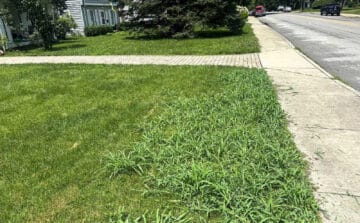
Caring for a Minnesota lawn isn’t easy. Our region’s clay soils, harsh winters, and unpredictable summers mean homeowners face unique challenges in their quest for a thick, healthy yard. You might have tried quick fixes, an extra fertilizer application here, some weed control there, only to wind up frustrated by patchy, thinning grass or weeds that just keep coming back. The truth is, a piecemeal approach rarely delivers the results you want. What your lawn really needs is a thoughtful, comprehensive plan for year-round care.

Why Piecemeal Lawn Care Doesn’t Work

Why Piecemeal Lawn Care Doesn’t Work

Lawns in this region need different things at different times of year. If you only react to problems as they pop up, it’s easy to miss underlying issues like compacted soil, weak roots, or early signs of a grub infestation that can lead to bigger headaches later. Piecemeal treatments often address symptoms, not causes. Over time, these gaps can leave you with an uneven, stressed-out yard.

What Does a Comprehensive Lawn Plan Look Like?

What Does a Comprehensive Lawn Plan Look Like?

A comprehensive plan for your lawn should include:

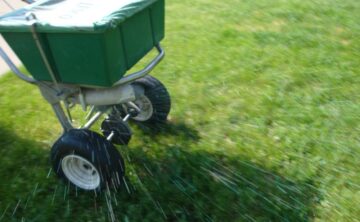
  • Fertilization tailored to our local soil and weather.
  • Precision weed control applied only where it’s needed.
  • Grub protection to prevent costly root damage before it starts.
  • Core aeration to relieve compacted soil and improve nutrient flow.
How Lawn Fertilization and Weed Control Work Together

How Lawn Fertilization and Weed Control Work Together

Lawn fertilization and weed control are most effective when they’re part of the same plan. Healthy, dense grass is the best natural defense against weeds. At the same time, targeted weed control reduces competition for nutrients, helping your lawn thrive.

Why Preventive Grub Control Matters

Why Preventive Grub Control Matters

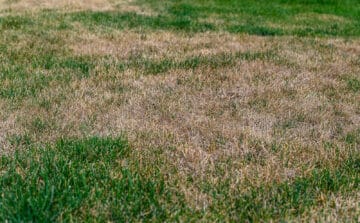
Grubs quietly damage grass roots beneath the surface, often before you see a single brown patch. Grub damage causes brown, thinning patches of grass that pull up easily because the roots have been eaten. You may also notice increased activity from birds, moles, or other animals digging in the lawn to feed on the grubs.

In recent years, Japanese beetle and European chafer grubs have become an increasing concern across the Twin Cities, with some infestations severe enough to destroy entire lawns. In fact, we’ve experienced a 107% increase in grub-related inquiries over the past three years.

Preventive treatments are far easier and less expensive than dealing with major repairs after an infestation.

The Role of Aeration in Lawn Health

The Role of Aeration in Lawn Health

Compacted soil is a common problem after long winters. Core aeration opens up pathways for air, water, and nutrients, setting the stage for healthier growth, especially when paired with seasonal fertilization.

Choosing the Right Solution for Your Yard

Choosing the Right Solution for Your Yard

Every lawn is different, so your plan should be, too. If you want the best results but don’t have time to manage all these steps yourself, consider working with a local expert who understands Twin Cities lawns and can deliver a tailored approach. That way, you can enjoy a healthier, greener yard without the stress or guesswork.

Ready to enjoy a greener, healthier lawn this season? Request your free estimate from Rainbow’s Twin Cities lawn experts today.

For more information about each service, check out these resources:

Other items you may be interested in:

Why Am I Seeing Crabgrass? The Truth About Pre-Emergent Protection

Why Am I Seeing Crabgrass?

You’ve applied pre-emergent and taken care of your lawn, yet you’re still seeing crabgrass. Let’s clear up some common misconceptions, explain why you might still be seeing crabgrass and other weeds, and outline what we can do to help.
Read More »

We place cookies on your device to enhance site navigation, aid your browsing experience, analyze site usage, and serve you with relevant content. By clicking “Accept All”, you agree to our use of cookies for these purposes. For more information, review our Privacy Policy.