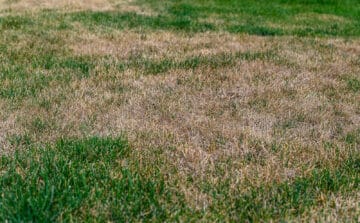
Why Am I Seeing Crabgrass?

The Truth About Pre-Emergent Protection

July 17, 2026

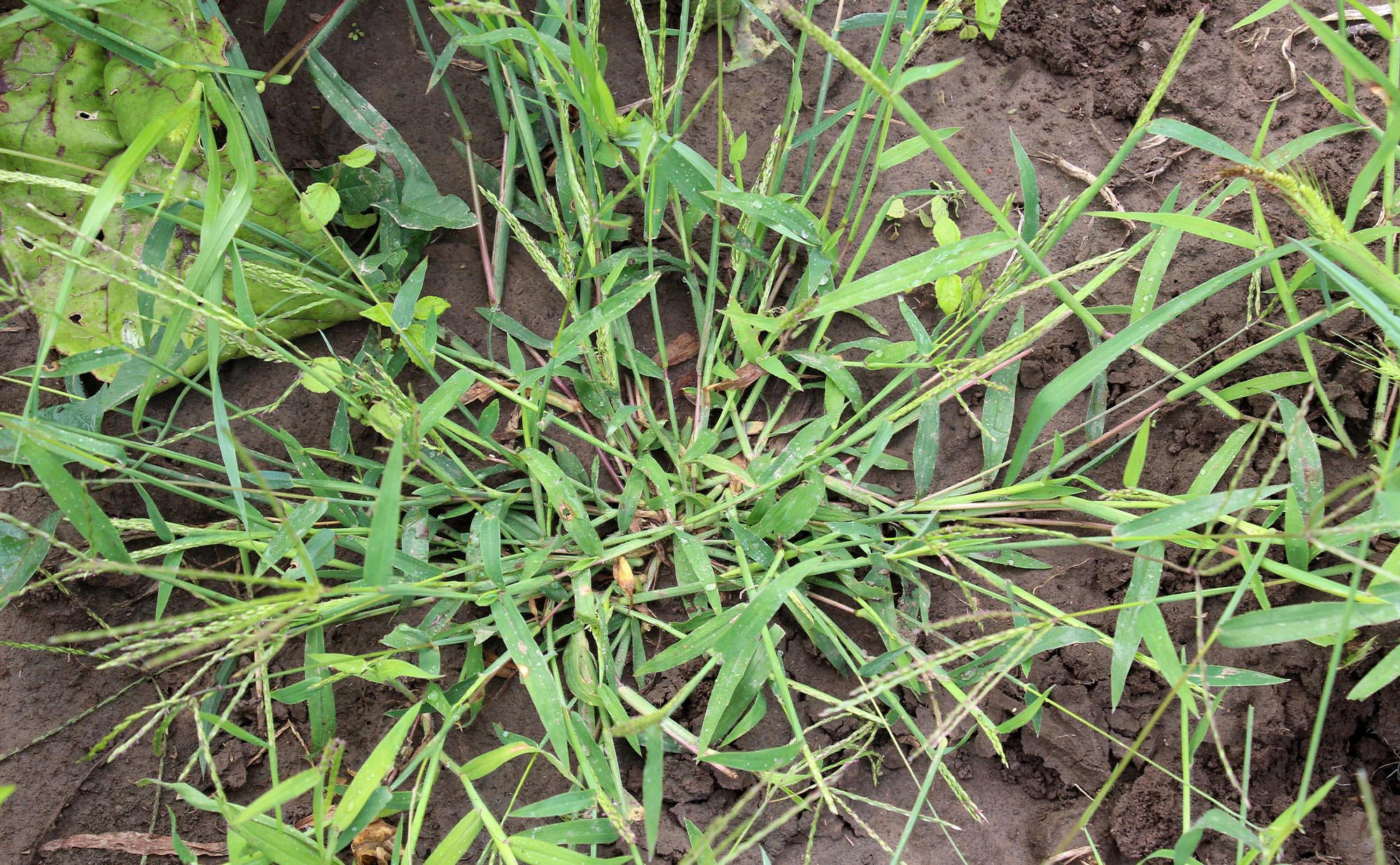
It’s a frustrating sight for any homeowner: you’ve applied pre-emergent, you’ve taken care of your lawn, and yet, there it is – crabgrass. That unwelcome annual weed popping up in your otherwise lush, green lawn can be disheartening. Many of our customers reach out with this exact concern, wondering why the treatments they applied in the spring didn’t seem to work as expected. Let’s clear up some common misconceptions and explain why you might still be seeing crabgrass, and what we’re doing to help.

Understanding Pre-Emergent: Your First Line of Defense

Understanding Pre-Emergent: Your First Line of Defense

Pre-emergence is a fantastic tool for weed control. Applied in early spring, its primary function is to create a barrier that prevents unwanted seeds, such as those of crabgrass, from germinating. Think of it as a protective shield on your soil. When crabgrass seeds attempt to sprout, they come into contact with the pre-emergent, which inhibits their growth. This first application, typically included in our early-spring fertilizer, weed control, and pre-emergent service, is crucial for setting up your lawn for a weed-free season.

Why Pre-Emergent Isn’t Always 100% Effective

While highly effective, pre-emergent isn’t a magic potion that guarantees zero crabgrass. Several factors can contribute to its appearance despite treatment:

Unpredictable spring weather, including sudden temperature spikes or heavy rainfall, can affect the efficacy of pre-emergent treatments. Extreme weather can sometimes degrade the barrier or wash it away in certain areas.

A thick layer of thatch (dead grass and organic matter) can sometimes prevent the pre-emergent from reaching the soil surface.

Any activity that disturbs the soil after application, such as vigorous raking, aerating, or even heavy foot traffic, can break the pre-emergent barrier, allowing new crabgrass seeds to germinate in those disturbed spots.

If your lawn has had a severe crabgrass problem in previous years, there’s likely a significant “seed bank” in the soil. Even with pre-emergent, a small percentage of these abundant seeds may still germinate.

What We Do When Crabgrass Appears

What We Do When Crabgrass Appears

At Rainbow Lawncare, we understand your frustration. Our comprehensive lawn program is designed not only to prevent but also to treat crabgrass throughout the season. While our first application includes pre-emergent, our subsequent applications (2-5) include post-emergent treatments specifically designed to tackle any crabgrass that emerges.

This means that if you’re seeing crabgrass now, rest assured that our technicians are actively working to address it. Our approach includes:

Unlike many companies, we don’t believe in blanket applications. Our experts identify and control all types of weeds, including crabgrass, precisely where it’s needed. This method is safer for your plants, children, and pets, without sacrificing effectiveness.

During each visit, our experts assess your lawn for new weed growth and apply appropriate treatments.

If crabgrass is particularly stubborn or widespread, it may require multiple applications to control it effectively. We’re committed to working with you to create a custom program that brings your lawn back to its best.

Beyond Treatment: Prevention and a Healthy Lawn

Beyond Treatment: Prevention and a Healthy Lawn

The best defense against crabgrass and other weeds is a healthy, dense lawn that naturally crowds them out. Consider these additional services that can significantly bolster your lawn’s health and resistance to weeds:

Fall Overseeding

This involves spreading new grass seed over your existing lawn in the fall to increase its density, making it harder for weeds like crabgrass to find open spaces to grow. Fall is the ideal time because it allows the new grass to establish before crabgrass season and avoids interfering with spring pre-emergent applications.

Fall Aeration

Core aeration performed in the fall helps to reduce soil compaction, allowing water, nutrients, and air to reach the grass roots more effectively. Fall aeration is an excellent time to improve lawn health because it pairs well with overseeding and supports strong root development. This promotes stronger, healthier turf that can better compete with weeds.

If you have questions about your specific crabgrass problem or want to learn more about achieving a truly resilient lawn, don’t hesitate to reach out to one of our experts today! We’re here to help you understand your lawn and keep it looking its best.

Other items you may be interested in:

How to Redo Your Lawn: A Complete Step-by-Step Guide

How to Redo Your Lawn: A Complete Step-by-Step Guide

Is your lawn full of weeds, bare patches, and brown spots? It may be time for a full lawn redo. This step-by-step guide walks you through everything. Whether you tackle it yourself or call in the pros at Rainbow Lawn Care, you’ll have everything you need to go from struggling turf to a thick, healthy lawn.

Read More »

We place cookies on your device to enhance site navigation, aid your browsing experience, analyze site usage, and serve you with relevant content. By clicking “Accept All”, you agree to our use of cookies for these purposes. For more information, review our Privacy Policy.