Getting your lawn back in shape requires more than just mowing when the grass starts growing. Follow these steps in order for the best results.
Clean Up Winter Debris
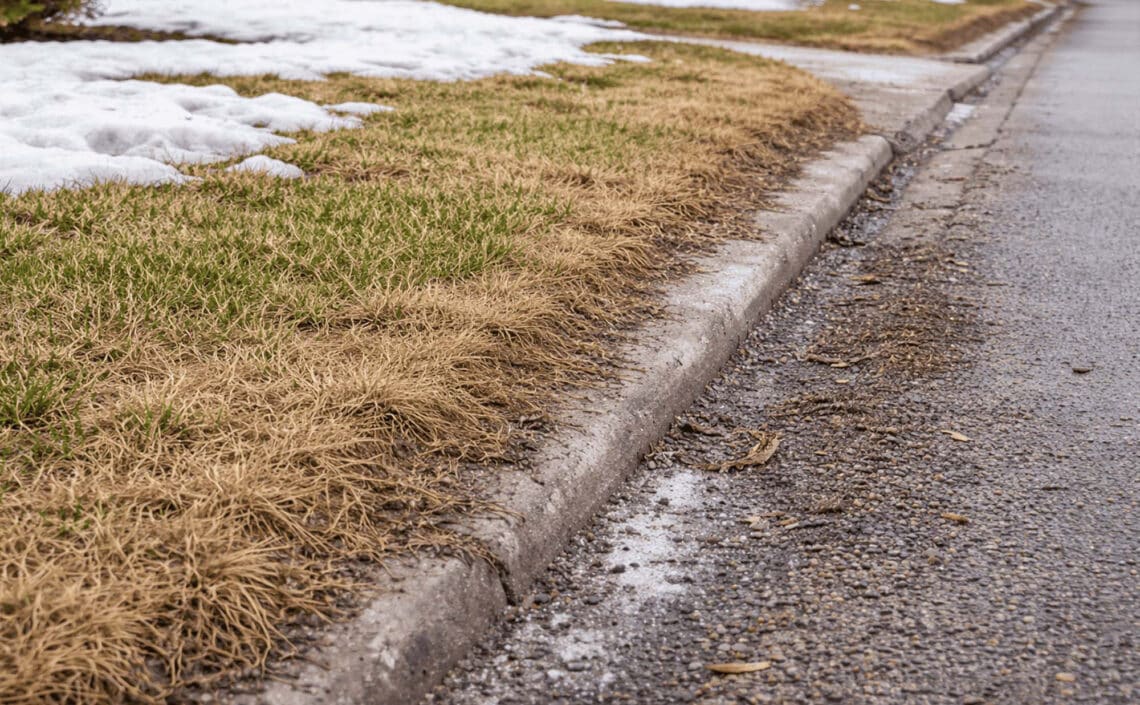
Start by walking your yard and removing anything that accumulated over winter — fallen branches, leaves, litter, and any other debris that may have been hidden under the snow. Leaving debris on the lawn blocks sunlight and traps moisture, creating the perfect conditions for mold and disease. Don’t wait until the ground is completely dry. As soon as the snow melts and the yard is accessible, get out there and clear it off.
Rake Dead Grass
Timing is everything, if you rake too early you can risk harming your grass. Once the ground feels dry and is less muddy, you can gently rake your lawn. This serves two purposes: it removes dead grass and thatch (the layer of organic material that builds between the soil and the grass blades), and it loosens matted turf so new growth can push through. Be sure to rake lightly, as you don’t want to harm the fragile grass.
Pay close attention to areas that look gray or matted these are likely spots where snow mold developed. Raking these areas out gives the healthy grass underneath a chance to recover. This process, sometimes called dethatching, is one of the most important steps in spring lawn care.
Test Soil
Before you add any fertilizer or amendments, it’s worth knowing what your soil actually needs. A soil test measures pH and nutrient levels, giving you a clear picture of what’s missing. Most grass in Minnesota prefers a soil pH between 6.0 and 7.0. If your soil is too acidic or too alkaline, nutrients won’t absorb properly, even if you fertilize.
Soil test kits are available at most garden centers, or you can send a sample to the University of Minnesota Extension for a more detailed analysis. The results will guide everything from your fertilizer choice to whether you need to add lime or sulfur.
Aerate Your Lawn
Compacted soil is one of the most common and most overlooked causes of a struggling lawn. When soil is compacted, grass roots can’t access the air, water, and nutrients they need to thrive. Aeration solves this by removing small plugs of soil across your lawn, opening up the ground and allowing everything to flow freely again.
Spring aeration is especially beneficial in the Twin Cities, where freeze-thaw cycles and heavy clay soils make compaction a recurring problem. For best results, aerate when the soil is moist but not saturated. Rainbow Lawncare’s professional aeration service can take the guesswork out of timing and technique.
Apply Pre-Emergent
Weeds are much easier to prevent than eliminate. Pre-emergent herbicides work by stopping weed seeds from germinating, but timing is everything. Apply too early, and the product breaks down before weed seeds sprout. Apply too late, and the weeds are already up.
In Minnesota, the general window for pre-emergent application is when soil temperatures consistently reach 50°F, typically late April to early May in the Twin Cities. Crabgrass is the primary target in spring, but pre-emergents also help suppress other annual weeds. This is one step where a professional application makes a real difference, since product selection and timing are critical to effectiveness.
Seed Where Necessary
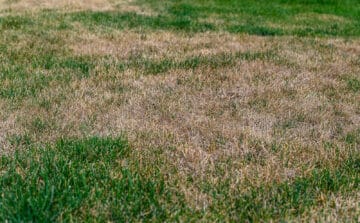
If your lawn came through winter with bare or thin patches, spring is a good time to overseed those areas. Loosen the soil in bare spots with a rake, spread seed evenly, and keep the area consistently moist until germination occurs. For Minnesota lawns, a mix of Kentucky bluegrass, fine fescue, or perennial ryegrass works well, depending on sun exposure and soil conditions.
One important note: if you’re applying a pre-emergent, do not seed at the same time. Pre-emergents prevent all seeds from germinating, including the grass seed you just put down. Seed first, wait until the new grass has been mowed two to three times, then apply pre-emergent or work with a lawn care professional to sequence these steps correctly. Rainbow’s overseeding service can help you get new grass established the right way.
Fertilize
Once your lawn is clean, aerated, and seeded, it’s ready for fertilizer. A spring fertilizer application gives your grass the nutrients it needs to green up quickly and develop a strong root system before the heat of summer arrives.
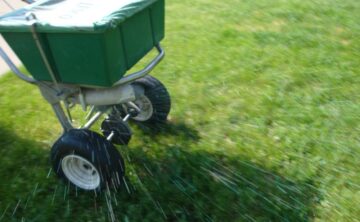
Look for a fertilizer with a higher nitrogen content to encourage leafy growth, along with phosphorus and potassium to support root development and stress tolerance. Slow-release formulas are generally preferred in spring because they feed the lawn gradually over several weeks rather than causing a sudden surge of growth. Rainbow’s fertilization program is tailored to Minnesota’s climate and soil conditions, taking the guesswork out of product selection and application rates.