
The Potential Benefits of Herbicides in Lawn and Garden Care

February 19, 2026

For many homeowners, the word “herbicide” conjures up images of harsh chemicals and environmental risk. We understand that anxiety. However, when used intentionally and correctly, herbicides are a nuanced and highly effective tool that can be essential for achieving and maintaining the lush, healthy lawn you desire, especially here in Minnesota, where weeds are a constant challenge.

The truth is that responsible herbicide use is often a key component of a sustainable lawn and garden care strategy. Instead of seeing them as a last resort, consider how precise, expert application can improve the overall quality of your yard and contribute to a smart, integrated pest management strategy.

Are Herbicides Safe? Separating Fact from Fear

It is understandable to be concerned about anything applied to your lawn where your kids and pets play. The key to mitigating risk and ensuring safety lies in knowledge, product selection, and precise application.

Effects on People

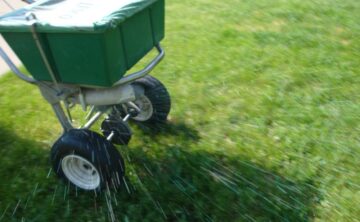
When store-bought weed killers are applied improperly, risks can increase. Best practices in weed control emphasize targeted applications rather than blanket treatments. For homeowners, the main benefits of smart herbicide use are indirect: a healthier, denser lawn that improves your family’s enjoyment of your outdoor space, and the use of fewer products overall when integrated into a controlled program. Our approach minimizes exposure to people by applying weed control separately from fertilizer, and only spraying where the weeds are growing, dramatically reducing the amount of product used.

Effects on Plants

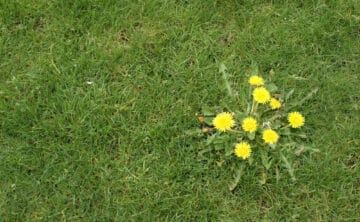
Herbicides are designed to kill plants, the unwanted ones. When used incorrectly, non-target plants (like your garden flowers or even your trees and shrubs) can be harmed. This is why expertise is critical. Our technicians correctly identify the weeds and choose selective herbicides designed to target broadleaf weeds without damaging your lawn’s turfgrass. In this context, the benefit is clear: a healthier turf free from competition, allowing your desired grass to thrive.

Effects on the Environment

Concerns about herbicides leaching into groundwater or harming local ecosystems are valid and drive our commitment to sustainable practices. The environmental benefit of our targeted approach is a significant reduction in chemical runoff compared to broadcast-spraying the entire yard. Furthermore, a dense, healthy lawn (achieved with the aid of weed control) is an environmental asset. Healthy turf improves soil structure, reduces erosion, filters rainwater, and naturally crowds out future weeds, decreasing the long-term need for intervention.
The Potential Benefits of Herbicides in Lawn and Garden Care

Herbicides vs. Pesticides: Key Differences

It is common to use the terms “herbicide” and “pesticide” interchangeably, but they are distinct:

Pesticide

Target Organisms
A general term for substances designed to kill, repel, or control any pest (insects, rodents, fungi, weeds, etc.).

Primary Function
Broad control of detrimental organisms.

Herbicide

Target Organisms
A specific type of pesticide designed to control unwanted plants (weeds).

Primary Function
Specific control of plant competition.

While all herbicides are technically pesticides, not all pesticides are herbicides. Understanding this distinction helps homeowners recognize that weed control is about managing plant competition, a vital factor for lawn health.
The Potential Benefits of Herbicides in Lawn and Garden Care

The Role Herbicides Play in Integrated Pest Management

Integrated Pest Management (IPM) is a cornerstone of responsible lawn care. IPM is an ecological approach that minimizes risks to people and the environment by combining common-sense practices. Herbicides play a role in IPM when they are used judiciously and selectively. For the homeowner, this means:
  1. Prevention: Maintaining a thick, healthy turf through proper fertilization, mowing, and watering to naturally crowd out weeds.
  2. Monitoring: Regularly inspecting the lawn to catch weed problems early.
  3. Targeted Intervention: Using a professional-grade, selective herbicide only on the specific weeds that appear, rather than blanket-spraying the entire lawn.
This targeted approach maximizes effectiveness while minimizing exposure, ensuring that herbicides remain a powerful, yet responsible, tool for your lawn’s health.
The Potential Benefits of Herbicides in Lawn and Garden Care

Rainbow Lawncare — Expert Lawn Care You Can Trust

Weeds are the number one problem in Minnesota lawns. Our expert weed control service ensures that your yard receives the precise care it needs. A Rainbow Lawncare professional will correctly identify your lawn weeds and provide the best solution personalized for your lawn situation and your goals.

Other items you may be interested in:

We place cookies on your device to enhance site navigation, aid your browsing experience, analyze site usage, and serve you with relevant content. By clicking “Accept All”, you agree to our use of cookies for these purposes. For more information, review our Privacy Policy.